
Specialties

Anxiety Disorder
Anxiety disorders involve persistent worry, fear, nervousness, and physical symptoms such as restlessness, rapid heartbeat, and muscle tension that can interfere with work, school, and relationships. Many individuals feel overwhelmed, avoid situations, or struggle to concentrate because of ongoing anxiety. We provide comprehensive evaluations to identify contributing factors and develop personalized treatment plans. Care may include psychotherapy, coping strategies, lifestyle guidance, and medication management when appropriate. Our goal is to help individuals reduce excessive worry, improve emotional regulation, build resilience, and regain confidence, calmness, and stability in everyday life.
Depression
Depression can affect mood, energy, sleep, appetite, and motivation, making daily activities feel overwhelming or difficult to manage. Individuals may experience sadness, isolation, hopelessness, or loss of interest in things they once enjoyed. We offer detailed assessments and individualized treatment plans designed to address emotional, behavioral, and biological components of depression. Care may include therapy, medication management, and supportive guidance. Our focus is to help individuals restore emotional balance, improve motivation, reconnect with meaningful activities, and develop long-term strategies for maintaining mental wellness and stability.

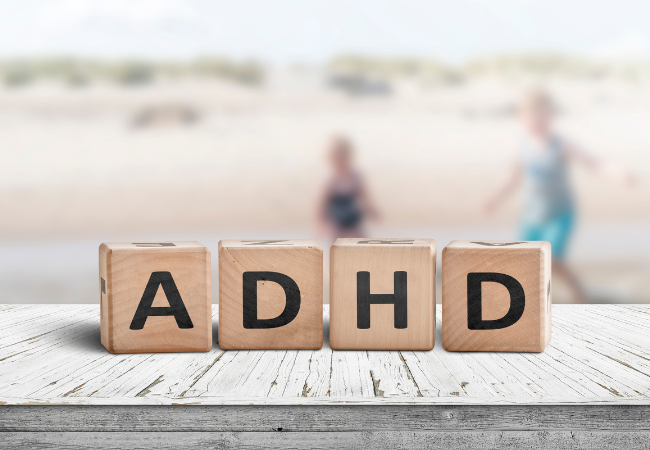
ADHD / ADD
Attention-Deficit/Hyperactivity Disorder affects concentration, organization, time management, and impulse control in both children and adults. These challenges can impact academic performance, workplace productivity, and relationships. We provide comprehensive evaluations and personalized treatment plans tailored to each individual’s needs. Care may include behavioral strategies, skill-building, therapy, and medication management when appropriate. Our approach helps individuals strengthen focus, improve planning, manage responsibilities, and develop practical systems that support confidence, productivity, and long-term success in school, work, and personal life.
Mood Disorders
Mood disorders, including bipolar disorder and persistent emotional instability, can cause intense highs, lows, and changes in energy or motivation. These shifts may affect relationships, decision-making, sleep, and daily functioning. We provide thorough evaluations and customized treatment plans that may include therapy, medication management, and lifestyle guidance. Our goal is to help stabilize mood patterns, reduce emotional distress, and strengthen coping skills. Through collaborative care, we support individuals in achieving consistent emotional balance, improving functioning, and maintaining long-term mental health and wellbeing.

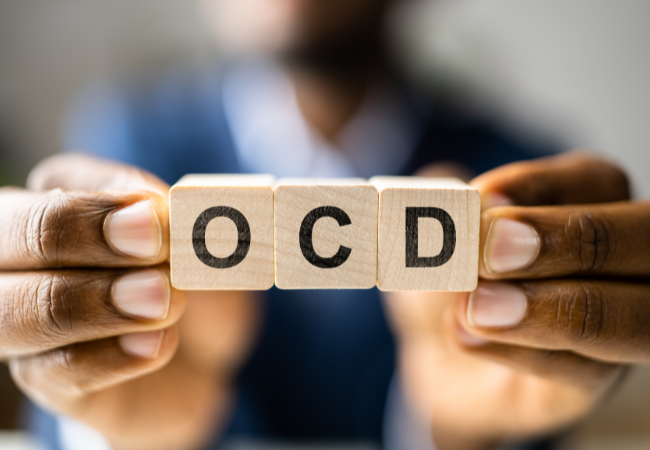
OCD
Obsessive-Compulsive Disorder involves intrusive thoughts, fears, and repetitive behaviors performed to relieve anxiety. These patterns can interfere with routines, productivity, and relationships. We offer comprehensive assessments and evidence-based treatment plans that may include therapy and medication management when appropriate. Our approach focuses on reducing distress, strengthening coping strategies, and helping individuals gain control over their thoughts and actions. We work collaboratively to improve daily functioning, build confidence, and support individuals in managing symptoms while restoring balance and independence in everyday life.
Trauma & PTSD
Trauma and Post-Traumatic Stress Disorder can develop after experiencing distressing or life-threatening events. Symptoms may include flashbacks, avoidance, emotional numbness, sleep disturbances, and heightened anxiety. We provide trauma-informed care that prioritizes safety, understanding, and gradual healing. Treatment may include therapy, coping strategies, and medication support when appropriate. Our focus is to help individuals process traumatic experiences, reduce emotional triggers, rebuild resilience, and restore a sense of safety, stability, and emotional wellbeing in daily life and relationships.


Panic Disorders
Panic disorder involves sudden, intense episodes of fear accompanied by physical symptoms such as chest discomfort, dizziness, shortness of breath, or rapid heartbeat. These episodes can occur unexpectedly and may lead to fear of future attacks or avoidance of certain situations. We provide structured evaluations and individualized treatment plans that may include therapy and medication management. Our goal is to reduce the frequency and intensity of panic attacks, strengthen coping skills, and help individuals feel confident, secure, and able to engage fully in daily activities.
Sleep Disorders
Sleep disorders such as insomnia, disrupted sleep cycles, or difficulty maintaining restful sleep can affect energy, mood, focus, and physical health. Poor sleep may worsen anxiety, depression, and stress levels. We provide comprehensive assessments to identify underlying causes and develop personalized treatment plans. Care may include behavioral strategies, therapy, and medication management when appropriate. Our approach supports the development of healthy sleep habits, improved rest, and better daily functioning so individuals can experience greater balance, clarity, and overall wellbeing.


Anger Management
Anger management concerns involve difficulty regulating emotional reactions, leading to frustration, conflict, and strained relationships. Uncontrolled anger may impact personal life, workplace performance, and decision-making. We provide individualized evaluations and treatment plans focused on identifying triggers, improving emotional awareness, and developing healthy coping strategies. Through therapy and guidance, individuals learn constructive communication, self-control techniques, and stress management skills. Our goal is to help individuals respond calmly, strengthen relationships, and maintain emotional balance in challenging situations.
Substance Use Disorders
Substance use disorders involve the misuse of alcohol or drugs, often leading to physical health issues, emotional distress, and disruptions in relationships or daily functioning. Addiction can create cycles that are difficult to break without structured support. We provide compassionate, non-judgmental care that includes assessment, therapy, relapse prevention strategies, and medication management when appropriate. Our focus is on addressing underlying causes, building coping skills, and supporting long-term recovery. We work collaboratively to help individuals regain stability, improve wellbeing, and rebuild a healthier, more fulfilling life.